
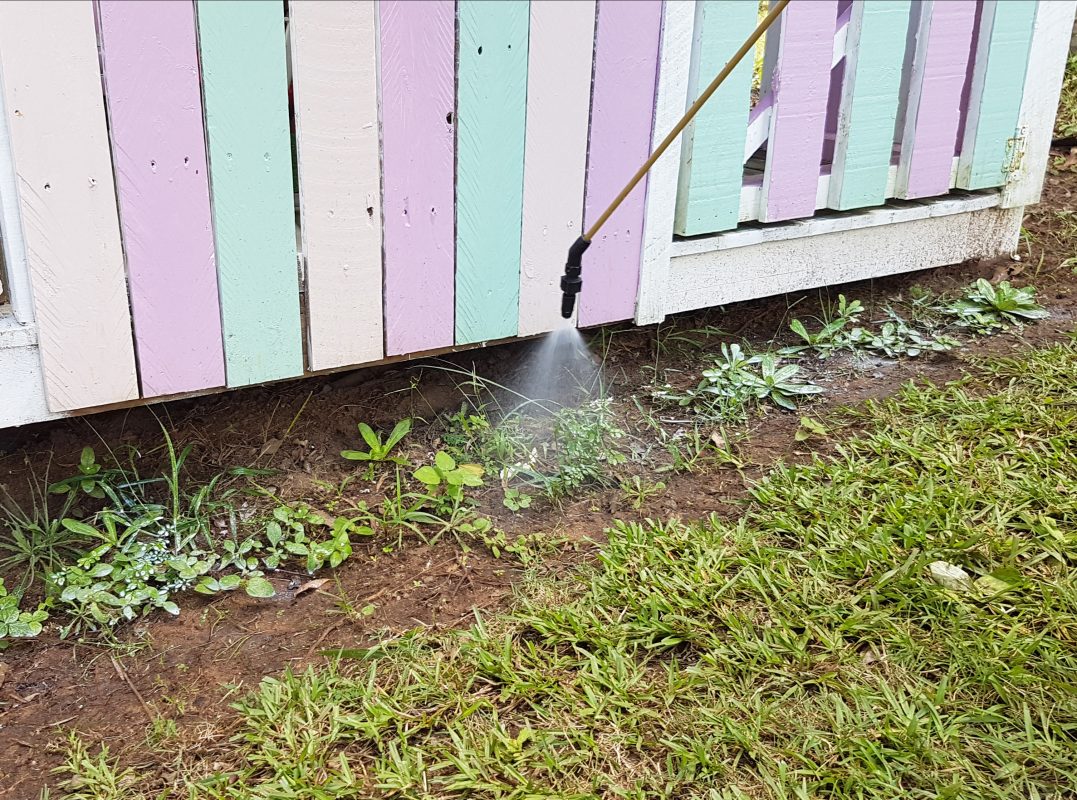
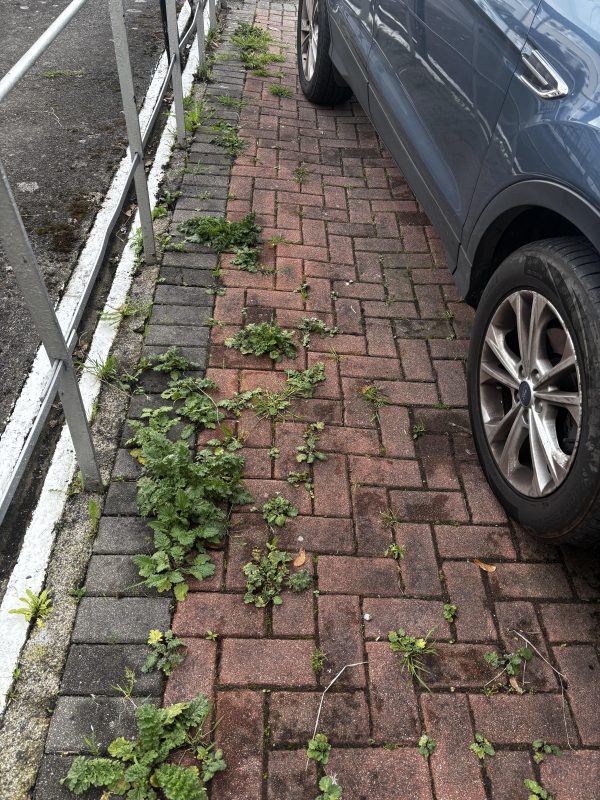
Nothing makes a yard look untidy faster than weeds sprouting through pavers, gravel paths and driveway cracks. With summer entertaining and holiday visitors on the way, now is the time to get your hard surfaces looking sharp. The good news? They are one of the easiest places to keep weed-free once you know the routine.
Weeds in pavers at a glance
To stop weeds in pavers, paths and driveways, sweep the area, spot-spray weeds on a warm, dry, still day, remove the dead growth once it has died back, then refill the joints with paving sand. Keep it weed-free by sweeping weekly, edging lawns and spot-treating new weeds every couple of weeks.
Why Do Weeds Grow Between Pavers?
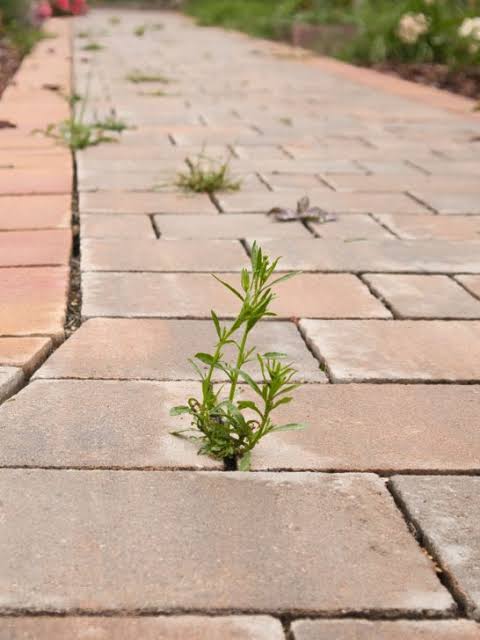
It seems odd that weeds thrive in such tough spots, but paving gaps are surprisingly cosy. Dust, leaf litter and soil collect in the joints and break down into a perfect little seed bed. Paving also holds heat and channels rainwater into the gaps, giving seeds warmth and moisture. Add in seeds blown in on the wind or tracked in on shoes, and you have got a weed nursery.
Which Weeds Grow in Paths and Driveways?
- Grassy weeds like summer grass and winter grass
- Bindii and clover creeping in from lawn edges
- Oxalis, which loves gaps between pavers
- Chickweed and flatweed in shady corners
- Moss in damp, shaded areas
Many of these are flowering right now. Our late spring weeds guide shows how to identify them, or browse our full Weeds List.
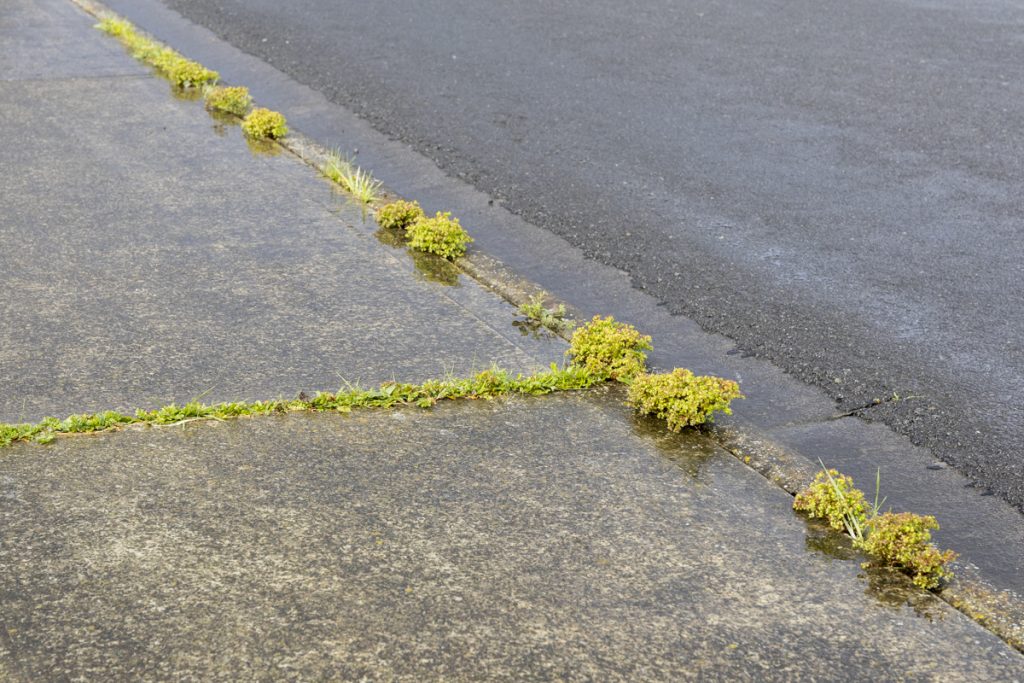
How Do I Get Rid of Weeds in Pavers, Paths and Driveways?
Sweep first
Give the area a good sweep to remove leaves and loose debris so you can see exactly what you are treating.
Spray on a warm, dry, still day
Choose a calm, sunny day with no rain forecast. Apply Bioweed directly to the weeds for even coverage. As a non-selective, certified organic weed control, Bioweed is perfect for hard surfaces where you want nothing growing. Shield any nearby garden plants and lawn edges.
Remove the dead material
Once the weeds have died back, scrape or sweep them out of the joints. Leaving dead plant matter behind just creates more compost for the next round of seeds.
Refill the joints
Brush fine paving sand (or polymeric sand for a firmer finish) into gaps that have lost their fill. Tight, full joints leave less room for seeds to settle.
Edge your lawn
Many path weeds creep in from the lawn edge. A clean edge cut every few weeks stops runners spreading onto paving.
Which Bioweed Product Should I Use?
The 750ml Ready to Use is perfect for a few cracks around the house or a quick touch-up.
The 5L Ready to Use with a 2L Manual Pump Spray covers bigger areas with no mixing.
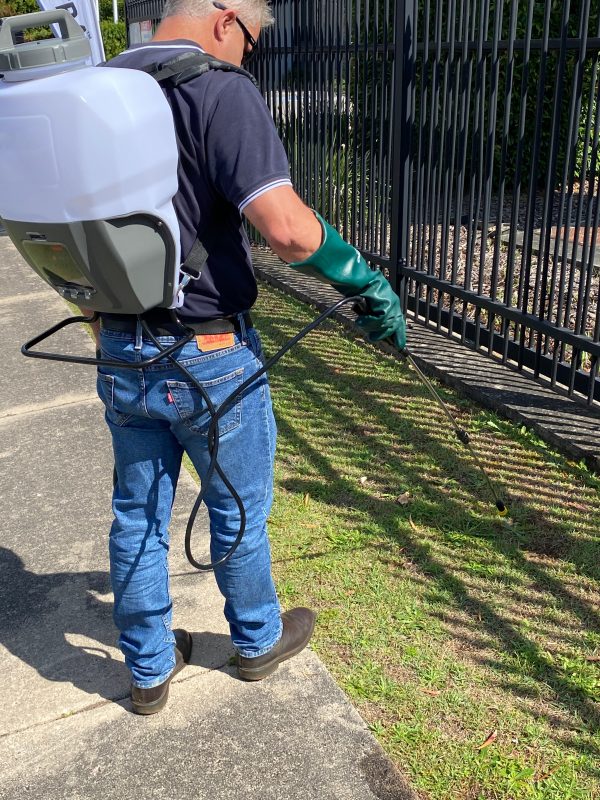
Mix up the 5L or 10L Concentrate in a 5L Garden Pressure Sprayer or 12L Trolley Sprayer for the best value.
See our commercial range for bulk sizes and pricing.
How Do I Keep Pavers Weed-Free All Summer?
- Sweep regularly. A quick sweep once a week stops debris building up in the joints.
- Spot-treat early. Deal with new weeds as soon as they appear, while they are small and easy to control.
- Check after rain. Summer storms bring a flush of new seedlings. A quick walk around a few days after heavy rain lets you catch them early.
- Make it a routine. A five-minute spot-spray every couple of weeks is far easier than a big clean-up before Christmas guests arrive.
- Mulch the beds next to paths. Weed-free, well-mulched garden beds mean fewer seeds blowing onto your paving.
Why Choose Organic Weed Control for Hard Surfaces?
Paths, patios and driveways are where kids play, pets wander and guests walk. Bioweed is certified organic and glyphosate-free, so you can keep these spaces tidy without reaching for harsh chemicals. Find out more about using Bioweed around pets, and always follow the label and our Help & Advice page for mix rates and application tips.
Keep your paths sharp this summer
“A tidy path frames the whole garden. Five minutes every couple of weeks keeps it that way.”
Ready to Use for quick spot jobs, or concentrate for bigger areas. Certified organic and made in Coolum Beach.
Paths and Pavers FAQs
What is the best way to kill weeds between pavers?
Spot-spray on a warm, dry, still day, remove the dead weeds once they have died back, then refill the joints with sand to slow new growth.
Will weeds grow back in pavers?
New seeds will always blow in, but regular sweeping, full joints and spot-treating new weeds early keeps them to a minimum.
Is Bioweed safe to use on driveways and patios?
Bioweed is certified organic and glyphosate-free, making it a popular choice for areas used by kids and pets. Always follow label directions.
Should I use Ready to Use or concentrate?
Ready to Use is perfect for quick spot jobs around the house. Concentrate is better value for larger driveways, long paths or big properties.
How do I stop weeds coming back in paving joints?
Keep joints full of sand, sweep debris away weekly, edge the lawn regularly and treat new seedlings while they are small.
Does boiling water or salt work on pavers?
Boiling water can scald small weeds but rarely reaches roots, and salt builds up in the soil and can damage nearby plants and lawn. A targeted organic weed control is easier and kinder to the surrounding garden.